
Discover how supply chain transformation is being driven by the digital revolution, reshaping global trade for greater efficiency and innovation.
Table of Contents

Prefer to listen? Enjoy the audio version of this article
Curated audio version | Audio powered by AI
- Discover the evolution of global trade, from the Silk R[...]
- Discover how AI-driven Decision Automation is reshaping[...]
- Examine the rise of nearshoring in Latin America, explo[...]
- Discover how supply chain transformation is being drive[...]
- Explore how collaboration tools are enhancing teamwork [...]
- Discover key trends in cross-border e-commerce through [...]
The Rise of the Digital Supply Chain
The Global Shift Toward Digitization
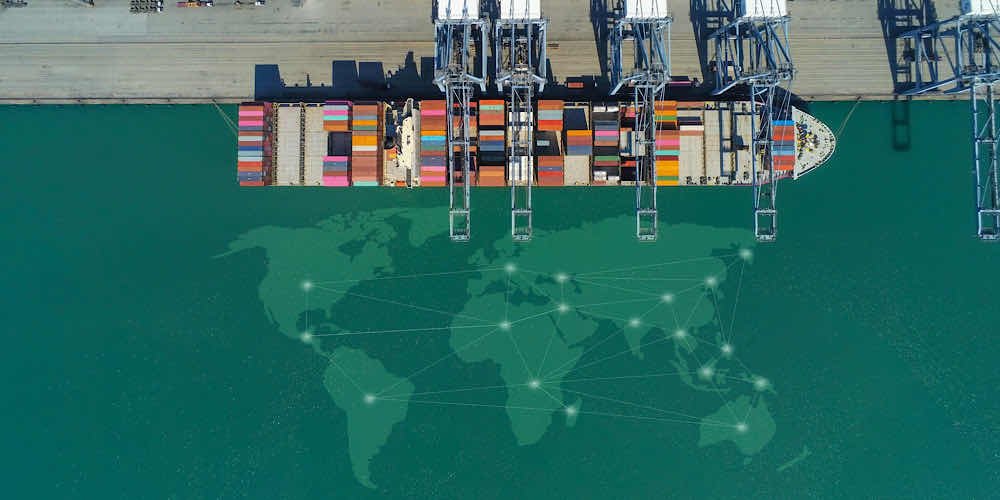
The global supply chain landscape is undergoing a profound transformation driven by digital innovation. As businesses seek to remain competitive, they are embracing technologies that provide enhanced transparency, efficiency, and resilience. The shift toward digital supply chains is no longer optional—it’s a critical move for survival in an increasingly volatile global market.
According to a report by McKinsey, companies that fully digitize their supply chains can expect to boost annual growth by up to 3.2% and reduce supply chain costs by 20-30% . The implementation of digital tools like real-time tracking, predictive analytics, and AI-driven automation is becoming the norm rather than the exception, as businesses aim to meet customer expectations for speed and reliability.
The Power of Big Data in Global Supply Chains
Big data plays a pivotal role in transforming supply chain management, allowing businesses to predict demand, optimize inventory, and reduce operational costs. Companies like Walmart have leveraged big data analytics to gain real-time insights into customer buying patterns and inventory levels, helping them significantly reduce stockouts and overstock situations.
Walmart’s use of big data has led to an increase in supply chain efficiency by 25%, enabling them to deliver products faster and with fewer disruptions. For example, their data-driven approach allows them to predict demand spikes and adjust their logistics accordingly .
A DHL report further supports this, highlighting that 73% of companies believe big data is key to their future supply chain success, particularly when it comes to improving forecast accuracy and operational efficiency .

How IoT Powers Real-Time Supply Chain Visibility
Real-time visibility is becoming a cornerstone of modern supply chains, thanks to the widespread adoption of IoT devices. These devices, which include sensors and tracking technologies, allow companies to monitor the location, condition, and status of shipments as they move through the supply chain.
Companies like Amazon and FedEx have pioneered the use of IoT to improve their logistics operations. FedEx, for instance, uses IoT sensors to track the temperature and humidity of sensitive cargo, ensuring that products like pharmaceuticals are transported under optimal conditions .
The ability to track shipments in real-time reduces delays, improves customer satisfaction, and enables faster response to potential issues. According to a report by Gartner, companies that have implemented IoT technology in their supply chains have seen a 30% improvement in operational efficiency .
The Game-Changer – Blockchain in Trade

Blockchain: From Hype to Reality
Blockchain technology, once seen as a buzzword in tech circles, has evolved into a practical tool for reshaping global trade and supply chain operations. By enabling secure, transparent, and immutable record-keeping, blockchain has transformed the way businesses handle transactions, track goods, and maintain trust across borders.
Unlike traditional systems where paperwork and manual processes dominate, blockchain automates documentation, reduces errors, and accelerates processes. According to PwC, businesses that implement blockchain in their supply chains can reduce compliance costs by 30-50%, as it reduces paperwork, cuts out middlemen, and allows for faster processing times .
Moreover, blockchain improves supply chain visibility. For instance, when multiple parties (from suppliers to shippers) have access to the same immutable ledger, everyone can trust that the information is accurate. This trust leads to fewer disputes and faster decision-making.
Blockchain in Shipping: A New Era of Transparency and Efficiency
Blockchain technology has had a profound impact on global shipping, transforming the way transactions and shipments are managed. Even though some projects like TradeLens, developed by Maersk and IBM, have been discontinued, the influence of blockchain on global trade continues through other innovative solutions.
For instance, CargoX, a blockchain-based platform, has emerged as a key player in the digital transformation of shipping. CargoX allows companies to create and transfer blockchain-based documents of title, including bills of lading, with end-to-end encryption and transparency. This has helped increase the security and speed of global shipping transactions while reducing paperwork and the risk of fraud.
The platform has enabled over 65,000 companies across various industries to handle critical shipping documentation securely and efficiently. Blockchain’s ability to create a shared, tamper-proof record allows stakeholders to access real-time data, reducing delays and increasing transparency in the supply chain.
A study by Deloitte shows that companies using blockchain in shipping have seen an increase in operational efficiency by 15-30%, thanks to faster data exchange, fewer disputes, and the automation of processes such as smart contracts. These smart contracts trigger payments and updates automatically when specific conditions are met, ensuring faster processing and reducing reliance on manual interventions.

Blockchain in Trade Finance
Blockchain is also revolutionizing trade finance by improving transparency and reducing the risk of fraud. Traditional trade finance systems rely heavily on paper-based processes, which can be slow and prone to errors. Blockchain, by contrast, offers a digital solution where every transaction is securely recorded and verified, ensuring that all parties have access to accurate, up-to-date information.
An example of blockchain’s impact in trade finance can be seen through the Marco Polo network, a blockchain-based platform for international trade. This platform simplifies the issuance of letters of credit, guarantees payments, and reduces the risks associated with international transactions.
According to a report by Accenture, blockchain could reduce trade finance processing times by 60-70%, as it automates the verification process and ensures that payments are released only when specific contractual conditions are met. Additionally, $1.5 trillion in global trade could be unlocked by 2025 if blockchain is widely adopted in trade finance, due to improved access to capital for small and medium-sized enterprises (SMEs) .
Supply Chain Resilience in an Unpredictable World
Lessons Learned from COVID-19
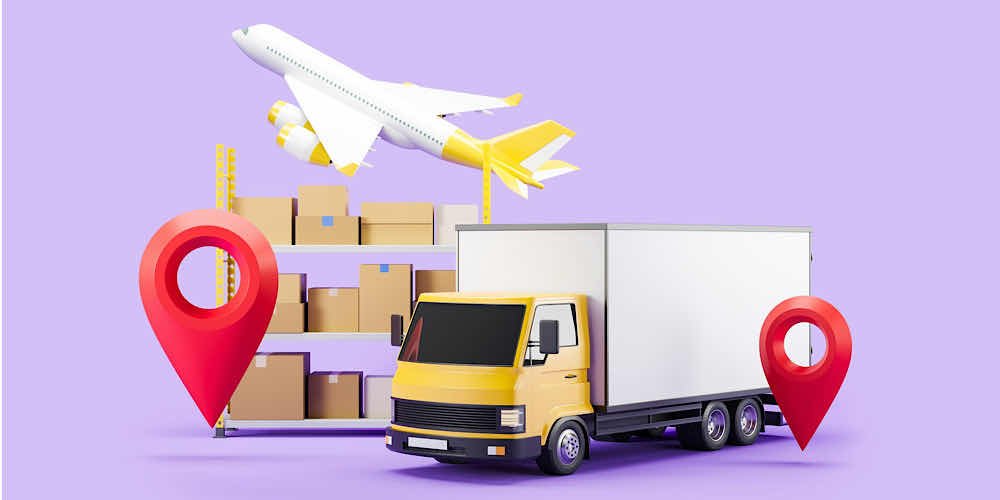
The COVID-19 pandemic brought global supply chains to their knees, exposing vulnerabilities in both processes and infrastructure. Lockdowns, transportation disruptions, and sudden shifts in demand created a perfect storm for businesses reliant on global supply networks. However, it also acted as a catalyst for digital transformation, pushing companies to re-evaluate their supply chain strategies.
A report from McKinsey & Company highlights that 85% of global supply chains faced significant operational challenges during the pandemic, leading to shortages of essential goods and logistical delays. In response, businesses accelerated their digital adoption, with 74% stating that they had fast-tracked plans for supply chain digitization to improve resilience and flexibility .

Using AI and Automation to Build Resilient Supply Chains
Artificial intelligence (AI) and automation have emerged as key tools in building more resilient supply chains. By leveraging AI-driven predictive analytics, businesses can foresee potential disruptions before they happen, whether they are geopolitical, environmental, or caused by market fluctuations. Automation further enables faster, more efficient processes, reducing the reliance on human intervention in critical supply chain operations.
For example, companies like Siemens have implemented AI systems to monitor supply chain risks and adjust operations in real-time. These systems analyze vast amounts of data, from weather patterns to political instability, to predict supply chain disruptions and make real-time adjustments. This approach has improved supply chain resilience by 30-40%, helping companies avoid significant losses during unforeseen events .
According to Gartner, companies that adopt AI and automation in their supply chains are 43% more likely to respond effectively to crises, reducing the impact of disruptions on their overall business performance .
Regional Focus: China’s Digital Supply Chain Transformation and Leadership
China has emerged as a global leader in digital supply chain innovation, driven by both private and public sector initiatives. As the world’s largest manufacturing hub, China’s rapid adoption of digital technologies like blockchain, AI, and IoT has allowed it to maintain its position at the center of global trade, even during challenging times.
China’s Digital Transformation Three-Year Action Plan aims to have 80% of its manufacturing enterprises fully digitized by 2025. One standout example is Alibaba’s Cainiao Smart Logistics Network, which uses big data and AI to optimize shipping routes and reduce delivery times. Cainiao’s advanced digital infrastructure has shortened delivery times for cross-border e-commerce shipments to 5 days, down from the global average of 12 days .
China’s success in digital supply chain innovation has positioned it as a leader in cross-border trade, enabling businesses to scale more efficiently and access global markets faster than ever before.
Sustainability Meets Digital Trade Transformation

Green Supply Chains in a Digital World
As sustainability takes center stage in global trade, businesses are increasingly leveraging digital technologies to meet environmental goals and ensure compliance with growing regulations. Digital tools such as big data, AI, and blockchain not only enhance supply chain efficiency but also help reduce the carbon footprint of logistics and manufacturing processes.
Companies are under increasing pressure to implement green supply chains that minimize environmental impact. For instance, the European Union’s Green Deal requires companies operating in Europe to reduce emissions and adopt sustainable practices across their supply chains. These regulations have sparked an uptick in the adoption of digital technologies that allow companies to track and optimize energy usage, minimize waste, and monitor sustainability metrics in real-time.
According to a report by Capgemini, 77% of organizations believe that digital sustainability—the use of technology to drive sustainable outcomes—will be critical to future supply chain operations. Additionally, companies that integrate sustainability into their digital transformation efforts can expect to see 15-30% improvements in operational efficiency through better resource management and streamlined logistics .

Case Study: How Unilever Uses Digital Tools for a Greener Supply Chain
Unilever is a prime example of how digital transformation can lead to more sustainable supply chains. By implementing advanced digital tools, Unilever has been able to track the environmental impact of its products from raw material sourcing to delivery.
Unilever’s Sustainable Living Plan uses blockchain to trace ingredients like palm oil and tea, ensuring that suppliers adhere to sustainable practices. This level of traceability has allowed the company to cut 31% of its supply chain-related carbon emissions over the past decade. Additionally, by integrating AI-powered analytics, Unilever can optimize transportation routes, reducing fuel consumption and greenhouse gas emissions .
Unilever’s digital sustainability efforts align with consumer demand for more environmentally responsible products, as well as with government regulations that promote greener supply chains.

The Digital Future of Sustainable Global Trade
Looking ahead, the future of digital trade will be inseparable from sustainability. With increasing consumer expectations and stricter regulations on emissions, companies will need to leverage digital innovations to stay compliant while maintaining competitiveness.
Emerging technologies like AI, blockchain, and IoT will play an integral role in building greener supply chains. For example, AI can help companies identify inefficiencies and optimize processes, while blockchain ensures that sustainability claims are verifiable by providing an immutable record of environmental data.
The World Economic Forum predicts that by 2030, the widespread adoption of digital sustainability practices could reduce global carbon emissions by 15%. This future vision of sustainable digital trade highlights the need for businesses to invest in technologies that will not only improve efficiency but also minimize environmental impact.
Digital Supply Chain – What’s Next?

A Peek into the Future: The Future of Fully Autonomous Supply Chains
As technology continues to evolve, the concept of fully autonomous supply chains is moving from science fiction to reality. The integration of AI, robotics, and machine learning is driving supply chain automation, enabling businesses to operate with minimal human intervention. This shift toward autonomous supply chains promises significant efficiency gains, cost reductions, and the ability to handle increasing complexity in global trade.
Companies like Tesla are already incorporating autonomous technology into their supply chains, using AI and machine learning to manage everything from inventory to delivery routes. For example, Tesla’s Gigafactory employs a highly automated system that adjusts production schedules based on real-time demand data, optimizing every step of the manufacturing and logistics process .
By 2030, it’s expected that 80% of supply chains will incorporate some level of automation, drastically reducing human errors, enhancing speed, and increasing adaptability to market changes. This technological leap will allow companies to predict disruptions, adjust inventory in real-time, and optimize transportation logistics autonomously.

How Emerging Technologies are Revolutionizing Supply Chain and Global Trade
The future of global trade will be significantly shaped by the continued rise of emerging technologies like 5G, cloud computing, and machine learning. These technologies are set to enhance supply chain visibility, collaboration, and efficiency on a scale never seen before.
5G technology, for instance, will provide faster, more reliable connectivity for supply chains, enabling real-time data sharing between manufacturers, suppliers, and logistics providers. This increased connectivity will empower businesses to respond instantaneously to changes in demand, adjust shipping routes, or resolve production issues without delay.
Meanwhile, cloud computing is revolutionizing the way businesses manage their supply chains by providing centralized platforms for data collection, analysis, and decision-making. Companies like Amazon and Alibaba are using cloud-based supply chain management systems to streamline global operations and enhance collaboration across borders. IDC predicts that by 2025, 70% of global companies will adopt cloud-based supply chain platforms to gain a competitive edge in international markets .
Scaling Innovation: From Local to Global Supply Chains
The future of supply chain innovation isn’t just for large multinationals—it’s also becoming more accessible for small and medium-sized enterprises (SMEs) looking to scale globally. With the advent of affordable cloud-based technologies, AI-powered logistics solutions, and digital trade platforms, SMEs can now tap into global supply chains with ease.
For instance, platforms like TradeShift provide digital solutions that allow businesses of all sizes to collaborate, manage payments, and optimize their supply chains without the need for extensive infrastructure investments. As these technologies become more affordable and scalable, we’ll see a democratization of global trade, where SMEs can compete on an equal footing with industry giants.
The World Trade Organization (WTO) forecasts that by 2030, digital trade platforms and emerging technologies will help SMEs increase their share of global trade from 10% to 25%, leveling the playing field and driving inclusive economic growth worldwide .
The Future is Now: Are You Ready for the Digital Supply Chain Revolution?

As digital innovation continues to reshape global trade, the question is no longer whether companies should adopt these technologies, but how quickly they can do so to remain competitive. The convergence of AI, blockchain, big data, and IoT is not just enhancing supply chain efficiency but fundamentally transforming the way businesses operate on a global scale.
Supply chains that embrace these innovations will experience greater resilience, sustainability, and agility in responding to market demands. From autonomous supply chains that reduce human error to blockchain networks ensuring transparency, the future of global trade is being rewritten in real-time.
Companies must act now to stay ahead of the curve. Whether it’s by integrating AI to predict disruptions, adopting blockchain for transparency, or using IoT for real-time tracking, the digital tools available today can set the stage for long-term success. The global marketplace is more dynamic and connected than ever, and those who lead the digital revolution in their supply chains will be the ones driving future growth.

The real question is: Will you adapt and lead in this new era of trade, or risk being left behind?
FAQs
-
What is supply chain transformation, and why is it important?
Supply chain transformation refers to the adoption of digital technologies like AI, blockchain, and IoT to enhance the efficiency, transparency, and resilience of supply chains. It’s important because it allows companies to streamline operations, reduce costs, and respond quickly to market changes or disruptions.
-
How does AI improve supply chain management?
AI improves supply chain management by analyzing vast amounts of data to predict demand, optimize inventory, and identify potential disruptions before they happen. AI also automates decision-making processes, reducing the reliance on manual input and improving operational efficiency.
-
How does blockchain enhance supply chain transparency?
Blockchain creates a secure, immutable record of transactions within the supply chain, allowing all parties to access real-time, tamper-proof data. This transparency reduces the risk of fraud, improves trust between partners, and ensures accountability across the entire supply chain.
-
What are the benefits of using IoT in supply chains?
IoT devices, such as sensors and trackers, provide real-time visibility into the location and condition of goods as they move through the supply chain. This helps companies monitor shipments, optimize logistics, and quickly address potential issues, reducing delays and improving customer satisfaction.
-
How can digital tools help companies meet sustainability goals in their supply chains?
Digital tools like AI and blockchain help companies monitor and optimize energy usage, track emissions, and ensure sustainable sourcing practices. By providing real-time data on environmental impact, these technologies enable businesses to reduce waste, improve resource efficiency, and meet regulatory requirements for sustainability.
-
What is a fully autonomous supply chain, and how does it work?
A fully autonomous supply chain leverages AI, robotics, and automation to manage processes with minimal human intervention. From inventory management to logistics and transportation, autonomous systems can adjust in real-time to optimize operations, reduce errors, and respond to changing market demands.
-
What role does 5G play in the future of supply chain management?
5G technology provides faster, more reliable connectivity, enabling real-time communication between devices across the supply chain. This increased connectivity allows for faster data transfer, better collaboration between partners, and improved responsiveness to changes in demand or supply chain disruptions.
-
How can small and medium-sized businesses (SMEs) benefit from digital supply chain technologies?
SMEs can use affordable digital platforms to access global markets, streamline their operations, and reduce costs. Technologies like cloud-based supply chain management, AI-driven logistics, and blockchain allow SMEs to compete with larger companies by improving efficiency and providing better visibility across the supply chain.
-
How does digital supply chain transformation impact global trade?
Digital supply chain transformation enhances the efficiency and speed of global trade by reducing delays, improving logistics, and allowing companies to scale operations more easily. It also fosters better collaboration between international partners, reduces barriers to market entry, and enables real-time data sharing across borders.
-
What are the challenges companies face when implementing digital supply chain technologies?
Challenges include high upfront costs, integration with legacy systems, and the need for employee training on new technologies. Additionally, companies may face security concerns related to data management and must ensure compliance with local regulations on digital operations.